
It can help you determine the amount of cash you have at any given point and help you make current and future financial decisions. On your Form 990, the IRS requires you to report your financial information according to different rules than you use for your audited financial statements. Even though you don’t have to pay federal taxes, almost all nonprofit organizations (the few exceptions are listed here) must file an IRS Form 990 each year. To decide which basis is right for your organization, learn more about cash basis vs accrual basis accounting in nonprofits.

Differences Between Nonprofit Organizations and For-Profit Businesses

Now you know the basics of the five essential financial reports that every nonprofit needs. So it’s very important that you learn to read the IRS 990 and understand what it says about the financial health and governance of your organization. The definition of a financial statement is a simple report that can be pulled together monthly (or as-needed) to give you a view of your financial health. It’s probably the most practical financial statement a nonprofit Executive Director or CEO has for making intelligent decisions for their organization. This report will show them which of your activities brought cash into your operation during the period and which expenses ate up large chunks of money. If you or your board come from the for-profit world, it’s okay to call it a Balance Sheet among your team.
- Operating activities are the primary source of a nonprofit’s cash flows and include all transactions related to the organization’s primary mission and activities.
- Among the key tools for financial transparency and management is the cash flow statement.
- In this article, we’ll cover how to prepare a direct method statement of cash flows for a nonprofit.
- It highlights the financial performance and shows how funds are utilized to support the nonprofit’s mission.
Cash Flows From Investing Activities
By analyzing cash flows from operating, investing, and financing activities, organizations can identify trends, manage expenses, and make strategic decisions about future initiatives. The benefits of adopting this method include improved stakeholder communication, as donors nonprofit statement of cash flows and supporters can easily see how their contributions are being utilized. It also aids in better cash management, allowing nonprofits to prepare more effectively for future financial needs and challenges. Furthermore, the Direct Method can enhance financial reporting accuracy, providing nonprofit managers and boards with the information needed to make informed decisions. Throughout this article, we’ve explored the critical importance of the Statement of Cash Flows for nonprofit organizations. This financial statement is not just a record of cash transactions but a strategic tool that offers deep insights into the financial health and operational stability of a nonprofit.

“Quality of work is exceptional and valued contributor on our board.”
Financing activities in the Statement of Cash Flows focus on transactions related to the inflows and outflows of cash that affect the equity and debt of the nonprofit organization. These activities are crucial for understanding how the nonprofit manages its capital structure and financial support. Operating activities are the primary source of a nonprofit’s cash flows and include all transactions related to the organization’s primary mission and activities.
- Tyler’s extensive background in accounting, tax, and financial consulting set the foundation for Velu’s outsourced accounting solutions for nonprofits and small businesses.
- Accrual basis accounting means that you record revenues and expenses when they are incurred or earned.
- Your nonprofit Statement of Activities ultimately gives stakeholders an idea of how well you’re using funds and other resources to successfully support your programming and fulfill your mission.
- Not only are they important for your audit, but they are also they are powerful tools that illuminate how your resources are being used and what adjustments can drive greater impact.
- For nonprofits, investing activities often reflect how the organization is planning for future growth and sustainability.
Detailed Look at the Cash Flow Statement Components for a Business
Apart from all the relevant financial statements, you’ll also find interesting statistics and notable achievements the organization made throughout the year. Board members and other leaders can use this statement for better insight into how much is available to pay expenses. At times, supporters will give donations stipulating that they can only be used on a specific project or program. The net assets on your statement of financial position are where your organization must list these restrictions. Authorization controls ensure that all financial transactions are approved by a designated individual or group.
Best Practices in Cash Flow Management for Nonprofits
This model also shows the transfer of restricted funds from savings to checking as the funds were released from restriction, partly in March and fully by May. This section also shows the cash impact of loan principal payments as well as a capital purchase planned for April. Nonprofits don’t typically engage in high-volume investments, but these activities are important to record. You basically start with the change in your balance sheet and then back out various accrual adjustments to arrive at cash. Your nonprofit Statement of Activities ultimately gives stakeholders an idea of how well you’re using funds and other resources to successfully support your programming and fulfill your mission.
Overview of Cash Flows from Investing Activities
- Before we illustrate a sample statement of activities, let’s take a closer look at its components.
- From churches to youth organizations to the local chambers of commerce, nonprofit organizations make our communities more livable places.
- Stay engaged with emerging tools and technologies that facilitate more efficient financial operations and provide deeper insights into financial health.
- One of the main financial statements (along with the statement of comprehensive income, balance sheet, statement of cash flows, and statement of stockholders’ equity).
- The Statement of Activities provides a detailed overview of a nonprofit organization’s financial performance over a specific period.
- The Statement of Cash Flows provides a clear picture of the organization’s liquidity by detailing cash inflows and outflows.
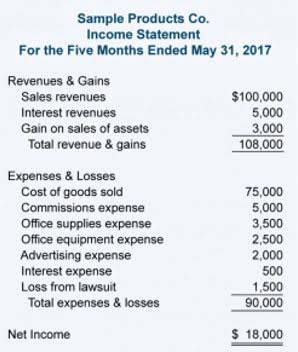
The statement of activities https://www.bookstime.com/articles/what-are-accounting-advisory-services reports the revenue, expenses, and net assets of the nonprofit. These statements can be considered analogous to a for-profit organization’s income statement. By carefully analyzing financing activities, nonprofit leaders can determine the effectiveness of their fundraising efforts and debt management strategies.
- This includes executive salaries, office supplies, and other costs necessary for the day-to-day operations but not directly tied to specific programs.
- The Direct Method of reporting cash flows provides a detailed record of all cash transactions that have occurred within a nonprofit organization during a specific period.
- Depreciation is when the cost of a physical asset is allocated over the course of its useful life.
- Financing activities in nonprofit organizations involve transactions that affect the long-term liabilities and equity of the organization.
- For nonprofits, this might include the purchase or sale of property, equipment, or investments.
- The use of detailed data helps to clarify the direct impacts of various transactions on the nonprofit’s cash position.
It highlights the financial performance and shows how funds are utilized to support the nonprofit’s mission. The Statement of Financial Position, also known as the balance sheet, provides a snapshot of the organization’s assets, liabilities, and net assets at a specific point in time. This statement helps stakeholders understand the financial stability and liquidity of the nonprofit. It summarizes your revenues QuickBooks and expenses for a specific period and allows both your organization and stakeholders to understand how you’re managing your resources. Overall, nonprofit financial statements provide a snapshot of your organization’s current financial standing so you can better plan for your nonprofit’s future. These experienced members will help your team leverage technology to pull your nonprofit cash flows statement and forecast for future statements.